

Now Reading: K-Culture Becomes a Global Standard in 2025: From Demon Hunters to Golden Crowns
-
01
K-Culture Becomes a Global Standard in 2025: From Demon Hunters to Golden Crowns
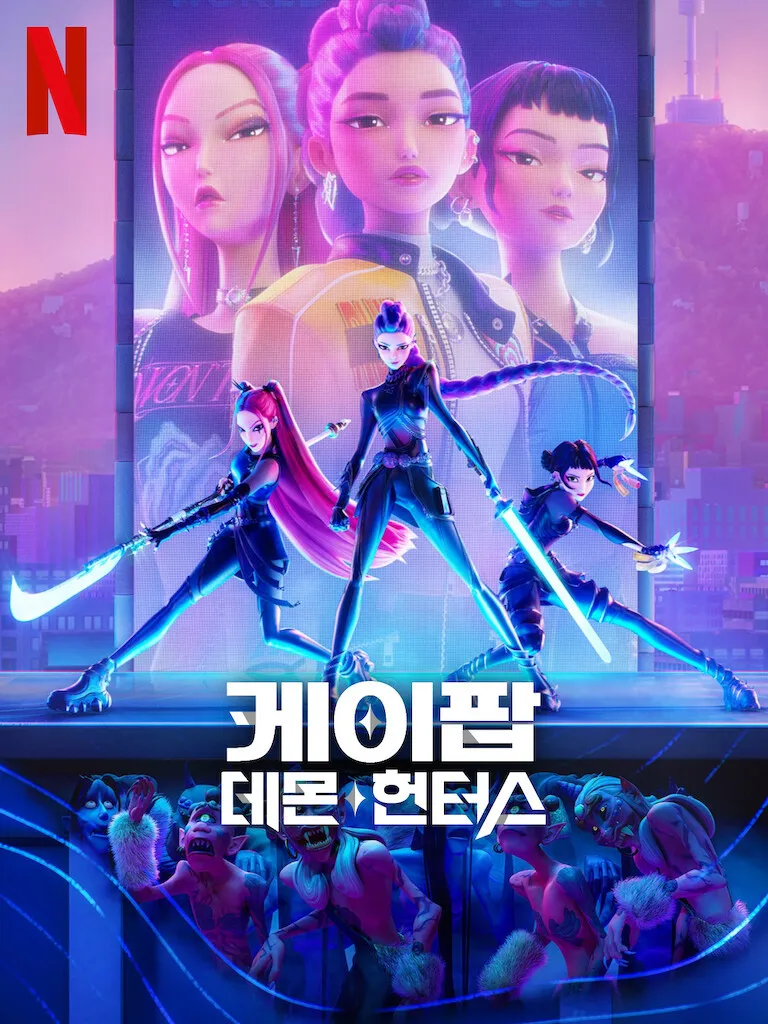
K-Culture Becomes a Global Standard in 2025: From Demon Hunters to Golden Crowns

🔥 K-Culture Becomes a Global Standard in 2025: From Demon Hunters to Golden Crowns
2025 marks a jaw-dropping transformation for K-Culture as it explodes beyond K-POP and K-Drama! With Netflix hits, Tony-winning musicals, and ancient treasures taking over global stages, Korean culture is no longer a trend — it’s the new global standard!
1. 🌍 K-Culture Goes Global — More Than Just K-POP
Korean culture has officially transcended its roots in music and TV dramas. In 2025, it stormed into global consciousness via animation, musical theatre, and ancient cultural exhibits. Netflix’s “KPop Demon Hunters” became a worldwide sensation, while the musical “Maybe Happy Ending” made Tony Award history. Simultaneously, historical artifacts like the Silla gold crown stunned audiences in overseas exhibitions. K-Culture isn’t riding a wave — it’s creating one. Korea Times 2025
2. 🎥 “KPop Demon Hunters” Crushes Netflix Records
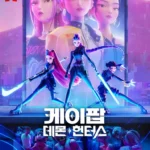
After its June 20 release, Netflix’s “KPop Demon Hunters” didn’t just trend — it ruled. Blending fantasy, fierce girl group power, and Korean mythology, the animated feature topped global charts and proved that K-Content isn’t bound by format. It has set streaming records across over 80 countries and inspired fan art, TikToks, and cosplay worldwide. Netflix Tudum 2025
3. 🎭 Broadway Shocker: Korean Musical Wins Six Tony Awards
“Maybe Happy Ending”, a Korean original musical, became a sensation on Broadway, sweeping six Tony Awards including Best Musical. This historic win marks a seismic shift for Asian performing arts on the global stage. Critics praised its emotional depth and futuristic storytelling. With this, Korean performing arts have shattered the Broadway barrier.
4. 🏺 Korean Cultural Heritage Shines in Global Exhibitions
The ancient Silla gold crowns and Goryeo Buddhist artifacts drew massive global attention in museum exhibits across Europe and the U.S. These treasures became viral content thanks to modern presentation techniques and K-Culture synergy. The result? Cultural diplomacy in action, with audiences lining up to explore Korea’s rich past.
5. 💥 K-Culture’s Power is Cross-Genre and Cross-Generational
What makes 2025 unique is how K-Culture effortlessly spans age groups and genres. Teenagers binge K-dramas and idol animes, while adults attend musicals and museum showcases. It’s no longer a niche — it’s omnipresent, global, and respected across age brackets and cultures.
6. 🌐 Soft Power Supremacy — Korea’s Cultural Diplomacy Triumph
From UNESCO showcases to ambassador-led global campaigns, South Korea is now leveraging K-Culture as a diplomatic powerhouse. Cultural centers in Paris, New York, and Abu Dhabi are seeing record turnouts. K-Culture is now strategic soft power at its finest.
7. 📈 Economic Boom Tied to Cultural Exports
With record-breaking streaming, ticket sales, and merchandise, Korea’s cultural exports are contributing billions to the economy. The K-Content industry is expected to surpass $20 billion in global revenue by 2026. Visit Korea 2025
8. 📺 Variety Explosion — New Formats, New Frontiers
From AI-driven webtoons to K-mystery podcasts and virtual idol concerts, K-Culture in 2025 is defined by its stunning variety. Expect even more genre hybrids and interactive experiences in 2026!
9. 🔥 Global K-Fandoms Become Cultural Institutions
Fandoms once seen as casual are now organized, educated, and influential. With translation teams, charitable events, and fan-driven PR, they are amplifying Korean culture with precision. K-Fans are rewriting what it means to be a cultural consumer in the digital age.
10. 🌟 The Future Is Korean — What’s Coming in 2026?
Experts predict K-Culture’s influence will dominate not just entertainment but education, fashion, wellness, and tourism. With Korea’s unique blend of tradition and modernity, the world is not just watching — it’s participating.
Can You Believe It? K-Culture’s Just Getting Started!
From demon-hunting idols to millennia-old treasures, K-Culture’s range is mind-blowing. And the best part? This is just the beginning.
Step-by-Step Guide
- Watch “KPop Demon Hunters” on Netflix
- Book tickets for a Korean musical abroad
- Visit museum exhibitions featuring Korean artifacts
- Follow official K-Culture channels
- Join a K-Culture fandom or discussion group
Common Mistakes to Avoid
- Thinking K-Culture is only K-POP or BTS
- Overlooking traditional heritage in favor of modern trends
- Underestimating the global influence of Korean musicals or anime
FAQ
Q1. What is “KPop Demon Hunters” about?
A. It’s an animated feature where K-POP idols fight demons using music, magic, and martial arts!
Q2. Where can I see Korean artifacts abroad?
A. Major exhibitions are held in global cities like Paris, New York, and Tokyo.
Q3. Is K-Culture still growing?
A. Absolutely — 2026 is expected to bring even more diverse K-Content globally.
Expert Insight
“K-Culture has achieved what few cultures can: it’s iconic, innovative, and inclusive — all at once.” — Dr. Emily Kim, Global Culture Analyst
Further Reading & Sources










Related Posts
Stay Informed With the Latest & Most Important News
Previous Post
Next Post






Advertisement