

Now Reading: Fabricated City: The Explosive Twist You Didn’t See Coming
-
01
Fabricated City: The Explosive Twist You Didn’t See Coming
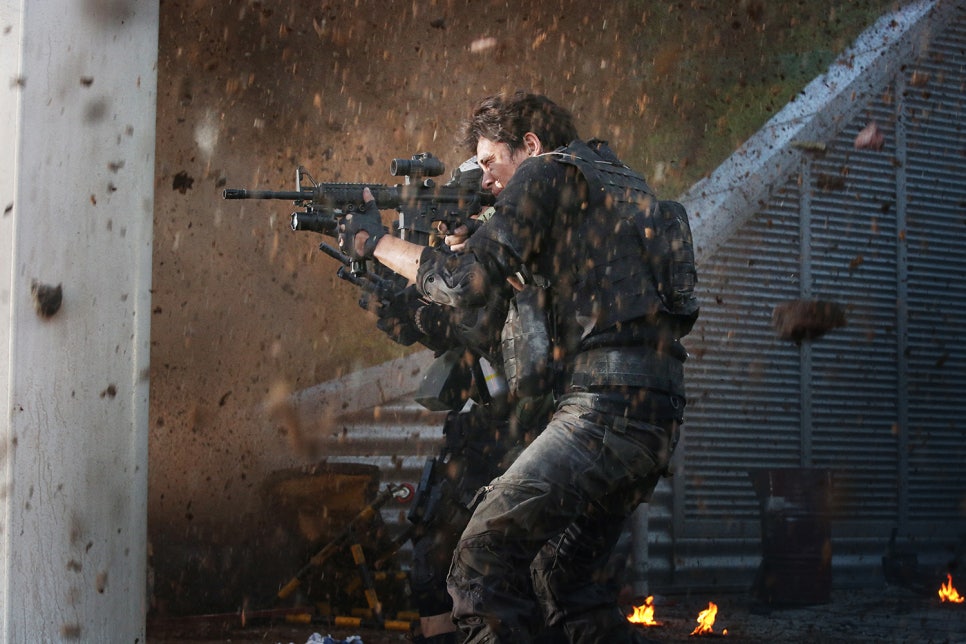

Fabricated City: The Explosive Twist You Didn’t See Coming
Welcome to the world where the **“fabricated city”** becomes your biggest enemy and every click hides a bombshell. In this mind‑blowing post, we dive into how Fabricated City turns gaming, justice and raw action — all into one electric ride.
1. Why Fabricated City Annihilates Expectations

On the surface, Fabricated City might look like your typical gamer‑thriller. But the power lies in how it fuses virtual reality and real‑life stakes. The film introduces Kwon Yoo (played by Ji Chang‑Wook), a former taekwondo champ turned game master, who picks up a stray smartphone and then wakes up behind bars accused of murder. Wikipedia 2025 The twist? The world watching thinks he’s guilty. The virtual team he led? His only hope.
2. The Power Keyphrase “Fabricated City” and the Real‑Life Danger

“Fabricated City” serves as both the title and the metaphor. It’s not just about a city built on lies—it’s about a justice system that’s constructed by unseen forces. The film shows how data, media narratives and gaming spaces converge. It’s a fabricated city of evidence, manipulation and illusion.
3. Plot Breakdown: From Game Leader to Escape Artist in the Fabricated City

Start: Kwon Yoo is dominating online, respected in his clan “RESURRECTION”. Then he picks up a phone at a PC‑café. Suddenly, he’s accused of a brutal crime he didn’t commit. Evidence stacks up: weapon in his home, his DNA at the crime scene. Wikipedia 2025 Middle: Thrown into maximum‑security prison, facing gang violence, betrayal. His only allies? His online teammates, including hacker Yeo‑Wool (played by Shim Eun‑Kyung). End: They hack the system, reveal the plot behind the frame‑job, take over the broadcast, expose the puppet‑masters. It’s the ultimate turn‑the‑tables moment.
4. Characters That Smash Through the Fabricated City

The core cast punch above typical action‑roles. Ji Chang‑Wook as Kwon Yoo anchors the story. Shim Eun‑Kyung as Yeo‑Wool flips the hacker trope into something bold. Supporting members: gamers, FX artist, professor—the misfits become vigilantes. Their mission? Tear down the fabricated city built around them.
5. Stylistic Highs: Action, Gaming, Virtual‑Real Blur in the Fabricated City
From prison fights to PC‑café raids, Fabricated City ramps up visuals and thematic layers. Director Park Kwang‑Hyun melds fast‑cut gaming sequences with sweeping car chases and heist mechanics. The visual language reflects the film’s core: the boundary between game and life is erased.
Can You Believe It: Real Gamers vs. Real Justice in the Fabricated City?
This is one of the film’s boldest ideas. A gamer becomes a hero in real life—not by traditional means, but by leveraging virtual skills, team‑like strategy, data hacks. It challenges what “winning” really means when the system is rigged.
| Element | How it plays into “Fabricated City” |
|---|---|
| Game world | Kwon’s clan leadership, strategy mindset |
| Real world | Legal system trial, prison escape |
| Manipulation | Evidence planted, media narrative controlled |
| Team-up | Gamers + hacker + FX artist break the frame |
Step‑by‑Step Guide: How to Market the Fabricated City Theme

- Target gamer‑communities: emphasise the “game becomes real” concept.
- Create VR/AR tie‑in content: showcase the boundary of virtual/real.
- Use data‑driven marketing: highlight the manipulation of media and evidence—appeal to those sceptical of mainstream narratives.
- Leverage team‑play messaging: the misfits triumphing over power resonates with younger audiences.
- Run interactive campaigns: e.g., “Which side would you be on in the Fabricated City?” quiz or challenge.
Common Mistakes to Avoid When Using the Fabricated City Concept

- Reducing it to just “gamer action” – misses the deeper twist of media/data manipulation.
- Ignoring the realism of the world‑building – the strength is in plausibility of tech and surveillance.
- Over‑emphasising clichés – the virtue here is in unexpected alliances and power shifts.
FAQ

Q1. Is Fabricated City only for gamers?
A. No, while gaming is the entry point, the film’s themes span justice, media control and team dynamics in a manipulated society.
Q2. Does the movie rely heavily on fantasy elements?
A. It uses heightened reality, but roots its stakes in systems, technology and plausible conspiracy—not pure fantasy.
Q3. Can the Fabricated City concept work beyond film marketing?
A. Yes, it applies to any campaign involving themes of empowerment, digital manipulation, team resilience and “underdog meets system” stories.
Expert Insight

“Fabricated City may mix game logic with conspiracy thriller, but at its heart it asks: what happens when society itself is the game board?”
Further Reading & Sources
Yoast SEO S










Related Posts



Stay Informed With the Latest & Most Important News
Previous Post
Next Post









Advertisement